
Drain or Maintain – What to Do With Your Pool in Winter
Similar Terms To Drain or Maintain – What to Do With Your Pool in Winter
When researching the best ways to handle your aquatic assets during the off-season, you may encounter several industry terms that refer to these cold-weather strategies. These include:
- Winter pool care
- Pool hibernation
- Seasonal pool maintenance
- Off-season pool management
- Cold-weather pool management
- All-year pool maintenance
- Pool winterization
What is Drain or Maintain – What to Do With Your Pool in Winter
Deciding whether to drain or maintain your swimming pool is a critical choice that impacts the longevity of your pool’s surface and the health of its mechanical systems.
In Melbourne’s temperate but often wet winter climate, simply walking away from a pool for three months can lead to a “green swamp” scenario that is expensive to rectify come spring.
Draining typically refers to the removal of water, either partially or fully. While it might seem like a way to save on electricity and chemicals, a full drain is rarely recommended in Melbourne as the weight of the water is often necessary to keep the pool shell structurally stable against groundwater pressure.
Conversely, maintaining your pool involves keeping the filtration system running at a reduced capacity, balancing the water chemistry, and performing regular checks.
This proactive approach prevents algae blooms, protects expensive pumps from seizing, and ensures that the transition back to swimming season is seamless and cost-effective.
Different Types Of Drain or Maintain – What to Do With Your Pool in Winter
The choice to drain or maintain isn’t always binary; there are several variations depending on the specific needs of your pool and any planned off-season projects.
- The Full Drain: This is generally reserved for major structural renovations or resurfacing. It is high-risk because, without the weight of the water, a pool shell can actually “pop” or lift out of the ground if the water table rises due to Melbourne’s winter rains.
- The Partial Drain: This involves lowering the water level below the skimmer box. This is often done if the pool requires minor tile repairs above the waterline or if the region is expecting extreme rainfall that could cause an overflow.
- Active Winter Maintenance: This is the most popular choice for Melbourne residents. It involves reducing the pump run-time (often to 4 hours a day), adjusting the saltwater chlorinator, and maintaining a strict pH balance to prevent calcium scaling on the walls.
- Professional Winter Pool Care: This is a “hands-off” service where experts like Exotic Pools manage the entire process. It includes regular water testing, equipment lubrication, and the application of long-life algaecides specifically formulated for cold water.
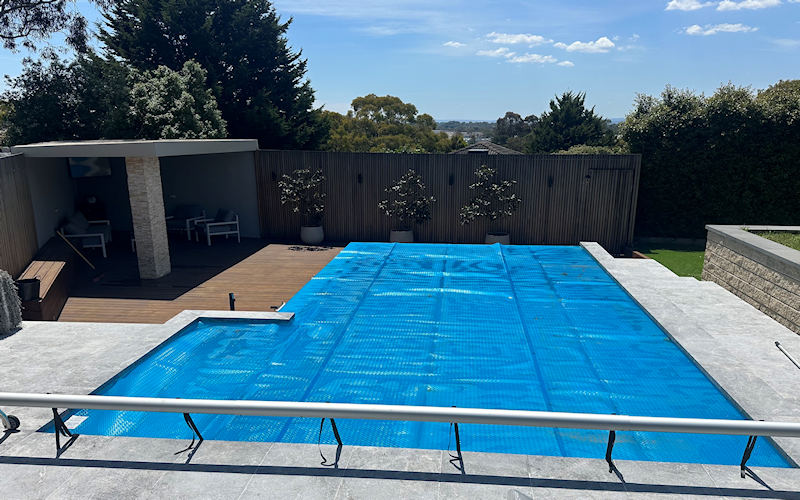
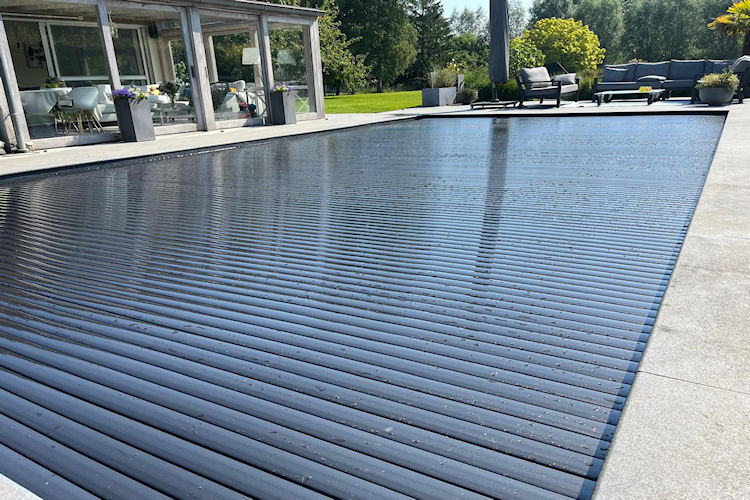
- Pool Blanketing/Covering: A variation of maintenance where a solid safety cover or solar blanket is used to keep out leaf litter and reduce chemical evaporation, making the maintenance load significantly lighter.
Why Choose Drain or Maintain – What to Do With Your Pool in Winter
If you own a pool, the question of whether to drain or maintain applies to you every single year. Ignoring your pool during the winter months might seem like a way to save on the power bill, but the long-term costs of neglect far outweigh the small savings. For the client, choosing a professional maintenance path provides peace of mind and protects a significant financial investment.
When a client chooses to maintain their pool correctly, they are preventing the accumulation of phosphates and organic matter that thrive in stagnant water. In Melbourne, where eucalyptus trees and garden debris are common, an unmaintained pool can quickly become a graveyard for organic material, leading to permanent staining of concrete or fiberglass surfaces.
Key Benefits of Professional Winter Maintenance:
- Equipment Protection: Moving parts like pumps and chlorinator cells can fail if left stagnant for months. Regular “flow” keeps them lubricated and functional.
- Cost Efficiency: It is significantly cheaper to spend a small amount on winter chemicals than it is to perform a “flock and vac” or an acid wash to clear a green pool in October.
- Structural Integrity: Keeping the pool filled ensures that hydrostatic pressure from the surrounding soil doesn’t damage the shell.
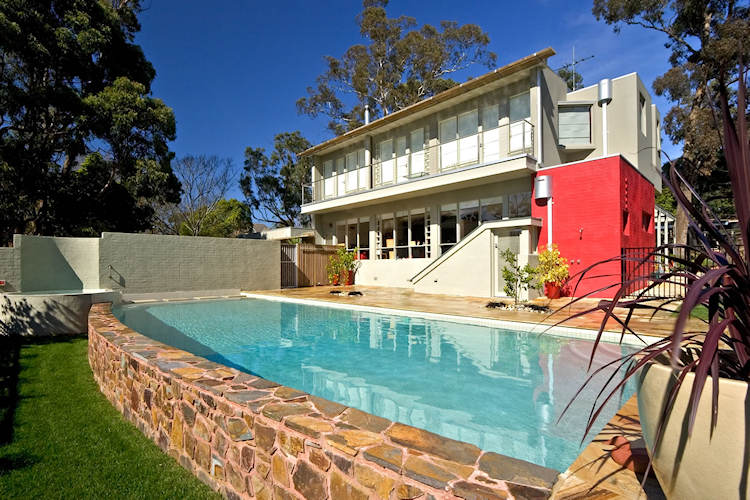
- Aesthetic Preservation: A clean, blue pool looks much better during winter garden parties or when viewed through large glass windows than a dark, neglected one.
- Health and Safety: Stagnant water is a breeding ground for mosquitoes and bacteria; maintaining the water keeps your backyard a healthy environment.
Drain or Maintain – What to Do With Your Pool in Winter Images
Drain or Maintain – What to Do With Your Pool in Winter Frequently Asked Questions
When should I start my winter pool care routine?
Is it ever okay to completely drain my pool for winter?
Do I still need to use a chlorinator if no one is swimming?
How often should I check my pool in the off-season?
Will a pool cover help with winter maintenance?
Can I turn my pump off completely during winter?
Recent Work - Drain or Maintain – What to Do With Your Pool in Winter
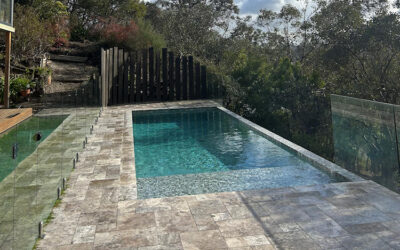
Infinity & Vanishing Edge Pools in Victoria
Delivering uninterrupted sightlines and an unmatched sense of luxury, infinity & vanishing edge pools seamlessly merge your private swimming environment with Victoria’s most breathtaking natural horizons and architectural landscapes.
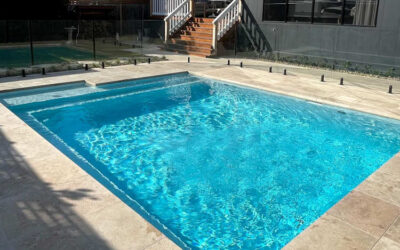
Courtyard Pools – Luxury Swimming in Inner Melbourne
Transforming compact urban backyards into high-end private retreats, courtyard pools offer inner Melbourne homeowners the ultimate balance.

Pool Design Melbourne
When you are looking to transform your backyard into a luxury oasis, investing in professional pool designers in Melbourne is the best way.
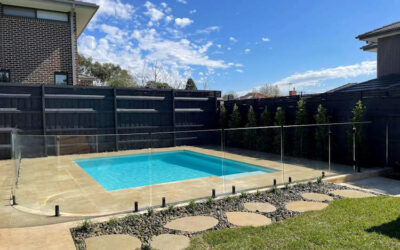
Concrete Pool Builders Melbourne
Build your dream retreat with the best concrete pool builders in Melbourne. Custom designs and expert engineering to transform your backyard.

Refresh Your Lifestyle: The Rise of Designer Plunge Pools in Melbourne Urban Living
A smaller home doesn’t mean you must sacrifice the luxury of an aquatic retreat, we believe every home deserves a centerpiece for relaxation.

Luxury Swimming Pool Builder Melbourne: Creating Resort-Style Outdoor Spaces
Exotic Pools consider a swimming pool to be more than a backyard feature. It must be the centre of your house, a combination of design, lifestyle and relaxation all in a single chain.
Some Of Our Other Services
To ensure your backyard oasis is ready for any season, consider these complementary services offered by Exotic Pools:
- Pool Heating Solutions: Install a heat pump to extend your swimming season well into the cooler months.
- Automatic Pool Cleaners: The best way to manage leaf litter during the windy autumn and winter periods.
- Pool Equipment Upgrades: Replace old, inefficient pumps with variable speed models to save on winter power costs.
- Pool Renovations: Winter is the perfect time to resurface or retile your pool while it’s not in use.
Summary
In the debate of whether to drain or maintain, the evidence strongly favors maintenance for the vast majority of Melbourne pool owners.
While draining might seem like a simple solution, the structural risks and the difficulty of restoring water quality in the spring make it a risky endeavor.
By opting for a professional winter maintenance program, you protect your equipment, preserve the beauty of your backyard, and ensure that your pool is always just a few degrees away from being “swim-ready.”
Why Choose Exotic Pools for Drain or Maintain – What to Do With Your Pool in Winter
At Exotic Pools, we understand that a pool is a major investment. Our team of Melbourne experts knows the local climate inside and out, allowing us to provide tailored advice on how to manage your pool during the off-season. Whether you need a partial drain for repairs or a comprehensive winter maintenance plan, we provide the expertise to take the stress out of pool ownership.
Take the guesswork out of winter:
- Contact Us Today: For a winter health check of your pool.
- About Exotic Pools: Discover why we are Melbourne’s leading pool specialists.
- Our Services: Explore our full range of maintenance and construction options.
